

Live lighter: Campaign encourages SA to ‘live lighter’


Report by Elisa Rose
CUTTING out sugary drinks is a key way to improve diet and help prevent excess weight, which could have flow-on benefits for individuals and the state, the head of SA’s Preventive Health department says.
Sugary drinks are a major contributor to excess weight, which is Australia’s leading preventable disease risk factor, contributing to more than 30 diseases, including type 2 diabetes, cardiovascular disease and several types of cancer.
“Overweight and obesity have now overtaken tobacco smoking as the leading risk factor contributing to disease burden in Australia,” Preventive Health SA chief executive Marina Bowshall said.
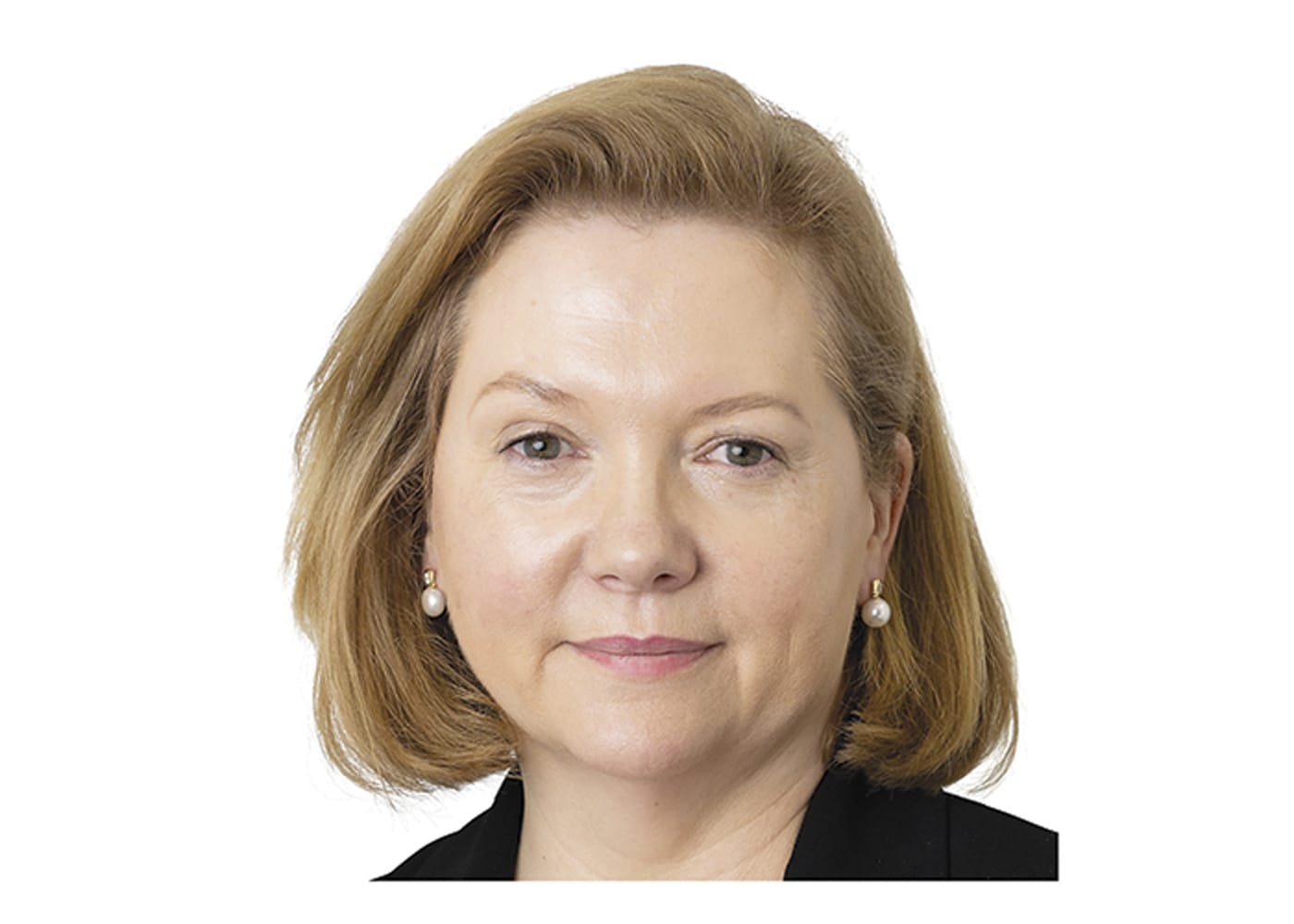
“So it’s a really serious issue that we need to deal with and is a big issue that’s impacting chronic disease rates in our community.”
Data shows that about two-thirds of South Australian adults and a third of South Australian children are overweight or obese, a trend which, if not reversed, could impact life expectancy.
A 2024 report commissioned by Preventive Health SA found that life expectancy for children born in 2023 could decrease by around seven months compared with pre-pandemic life expectancy, if childhood obesity rates were not reduced by a quarterd (25%).
“Children comprise about 20% of the South Australian population, but they’re 100% of our future,” Ms Bowshall said.
“So making sure we’ve got good systems in place to support their health and wellbeing is vitally important.
“And we know from modelling that we’ve done, that in SA, if we don’t take action to reduce overweight and obesity, a child born in 2023 will have a life expectancy seven months shorter than their parents.
“So it is not just impacting chronic disease, it’s impacting life expectancy.
“And we also know that people with a BMI of 35 or above — they’ll lose about seven or eight years of healthy life, compared with people within a healthy weight range.
“So all of these reasons are important for why we want to address it.”
The SA Government’s LiveLighter campaign was launched last year and focuses on providing the public with clear information around the risks of eating unhealthy foods, including ultra-processed food and drinks.
It was first rolled out in Western Australia more than a decade ago, where Ms Bowshall said it had a proven track record of helping change public behaviour.
“Our current campaign is focused on sugar-sweetened beverages and encouraging the population to reduce or cease consumption of sugar-
sweetened beverages,” Ms Bowshall said.
“... Interestingly, the latest data we have from supermarket scanner data and purchase data shows that almost 40% of the energy intake from the average South Australian diet comprises unhealthy, ultra-processed food such as sugar-sweetened beverages.
“We know that it is the second-
highest intake of those types of products in the nation and, in particular, sugar-sweetened beverages make up about 25% of total dietary sugar intake for the average adult in SA.
“So when we say let’s reduce sugar-
sweetened beverage intake, what we’re really wanting to do is reduce that 25% of total dietary sugar intake, so we can be really clear that sugar-sweetened beverages aren’t contributing to so much unhealthy sugar in the average South Australian diet.”
Addressing weight trends in the SA population could also impact the state economy, which Ms Bowshall said lost about $4 billion a year to obesity and excess weight — 72% of which was attributable to productivity costs, while the remaining 28% related to direct healthcare costs.
“We know that it’s not just a case of the health system,” she said.
“... It’s the productivity of the economy as a whole — presenteeism, absenteeism, sick leave, looking at available workforce to employ.
“Because there’s obviously issues with injuries, workplace injuries, when you’ve got people who are living with overweight and obesity.
“We also know that what you eat has such a strong impact on how you sleep, on your mental wellbeing, so there’s a whole range of issues around nutrition and how that impacts on your wellbeing as a whole.”
The SA Government’s LiveLighter campaign includes a number of educational promotions alongside free online resources, including recipes, meal plans and workouts aimed at helping people adopt healthier behaviours.
“We’ve been really pleased to see a lot of those recipes and meal plans and even the workouts are based on really low cost options,” Ms Bowshall said.
“So you don’t need to go to a gym, you don’t need to buy the most expensive cuts of meat, you can actually buy things off the shelf at the supermarket at low cost and have really nutritious, healthy food for your wellbeing.”
The LiveLighter campaign also coincides with a SA Government ban on advertising unhealthy foods and drinks on public transport and policies to improve the healthy food and drinks available in public places such as schools and public hospitals.
Free resources can be found at sa.livelighter.com.au.


